Donate
Thalassemia, when left untreated, presents a grave life-threatening condition. The essential remedy involves regular blood transfusions and lifelong medication.
At present, there are more than 400 children eagerly awaiting the opportunity to receive proper care. It deeply saddens us to acknowledge that, despite having the capacity, we are unable to accommodate these children. Ensuring their well-being demands a lifelong commitment, alongside a consistent flow of funds.
We humbly implore you to extend your support to these children, who yearn for nothing more than the chance to lead a normal life.
The cost of ensuring a child’s well-being amounts to £100 per month. Our target represents just 10% of the total amount required. A contribution of this magnitude, whether jointly or individually, will make an immense difference to these precious angels who aspire only for the opportunity to live a normal life.
How your donations work
Sponsor a child
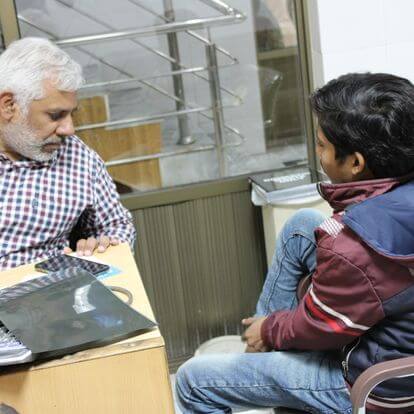
By setting up a direct debit, whether on an individual or collective basis, with a monthly contribution of £100, you have the power to fully fund a child’s treatment.
Buy Equipment
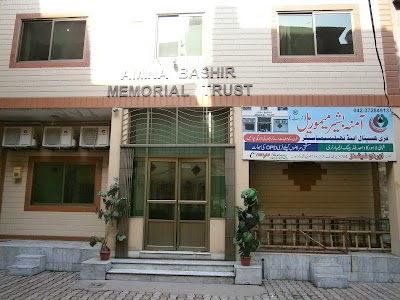
At present, we are actively seeking donations of medicines and equipment to support our mission of delivering free medical care to individuals suffering from thalassemia.
Zakat
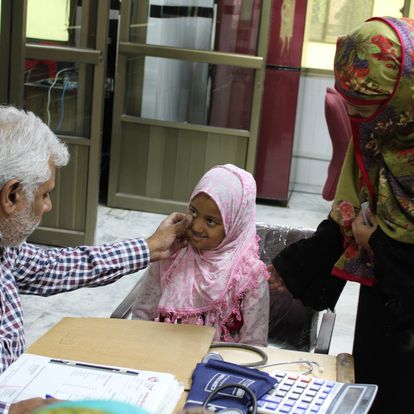
Supporting zakat is an integral aspect of Islam, embodying principles of purity, progress, abundance, and gratitude. Regardless of the amount, you contribute to bringing about change.
FAQ
What is thalassemia?
Thalassemia is an inherited blood disorder where the body cannot make enough hemoglobin, the protein in red blood cells responsible for carrying oxygen. This leads to anemia of varying severity.
What causes thalassemia?
It is caused by genetic mutations passed from parents to children. These mutations affect either the alpha or beta globin chains of hemoglobin, reducing its production.
What are the types of thalassemia?
The two main types are:
Alpha-thalassemia – problems with alpha-globin production.
Beta-thalassemia – problems with beta-globin production.
Each type ranges from mild to severe depending on how many genes are affected.
What are common symptoms?
Symptoms differ by severity but may include:
- Fatigue and weakness
- Pale or yellowish skin
- Poor growth in children
- Bone changes
- Enlarged spleen
Abdominal swelling
Symptoms may appear in infancy, early childhood or later in life for milder cases.
How is thalassemia diagnosed?
Diagnosis typically includes:
- Blood tests to measure haemoglobin
- Haemoglobin electrophoresis to detect abnormal types
- Genetic testing in some cases
Healthcare providers may also diagnose it prenatally.
What are the complications of thalassemia?
Some complications are due to iron overload from repeated transfusions, such as:
- Heart issues
- Liver disease
- Hormonal imbalances
Other issues include bone changes, infections, and spleen enlargement.
How is thalassemia treated?
Treatment depends on the severity and may include:
- Regular blood transfusions
- Iron chelation therapy to remove excess iron
- Folic acid supplements
- In some severe cases, bone marrow or stem cell transplant