Our Work
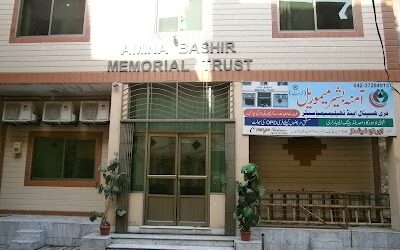
Our Work 1
This is about our work 1
Thalassaemia is a blood disorder passed down through families. It is debilitating for the sufferers with the patient continually feeling tired.
With your support, we can provide the treatment and education that can bring about change in their lives.
Our Story
Our Story
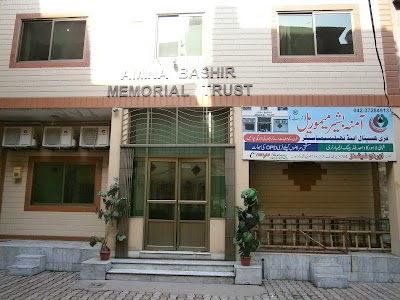
Welcome to the Amina Bashir Memorial Trust. The charity trust formed to provide free treatment to the poor in a deprived community. ABMT stands for the Amina Bashir Memorial Trust, named in memory of the late mother of the Muhammed Riaz Bhatti and his siblings.
The ABMT was founded with a clear vision and mission to serve the poor and marginalized thalassemia patients in our community who couldn’t afford the cost of treatment.
FAQ
What is thalassemia?
Thalassemia is an inherited blood disorder where the body cannot make enough hemoglobin, the protein in red blood cells responsible for carrying oxygen. This leads to anemia of varying severity.
What causes thalassemia?
It is caused by genetic mutations passed from parents to children. These mutations affect either the alpha or beta globin chains of hemoglobin, reducing its production.
What are the types of thalassemia?
The two main types are:
Alpha-thalassemia – problems with alpha-globin production.
Beta-thalassemia – problems with beta-globin production.
Each type ranges from mild to severe depending on how many genes are affected.
What are common symptoms?
Symptoms differ by severity but may include:
- Fatigue and weakness
- Pale or yellowish skin
- Poor growth in children
- Bone changes
- Enlarged spleen
Abdominal swelling
Symptoms may appear in infancy, early childhood or later in life for milder cases.
How is thalassemia diagnosed?
Diagnosis typically includes:
- Blood tests to measure haemoglobin
- Haemoglobin electrophoresis to detect abnormal types
- Genetic testing in some cases
Healthcare providers may also diagnose it prenatally.
What are the complications of thalassemia?
Some complications are due to iron overload from repeated transfusions, such as:
- Heart issues
- Liver disease
- Hormonal imbalances
Other issues include bone changes, infections, and spleen enlargement.
How is thalassemia treated?
Treatment depends on the severity and may include:
- Regular blood transfusions
- Iron chelation therapy to remove excess iron
- Folic acid supplements
- In some severe cases, bone marrow or stem cell transplant
Make a donation today
Help our Thalassemia patients thrive
Thalassemia, when left untreated, presents a grave life-threatening condition. The essential remedy involves regular blood transfusions and lifelong medication.